
- 19th Oct 2026
- 3 min read
A Small Daylight Habit for the Shorter Days
When autumn evenings arrive earlier, a short, realistic daytime walk can be easier to keep than a complete routine overhaul.
A Small Daylight Habit for the Shorter Days
When the clocks change and the afternoon seems to disappear, it is easy for time outside to shrink too. Work, study and errands still need doing; daylight can feel like one more thing to fit in.
Rather than redesigning your whole week, it may help to choose one small, repeatable moment outdoors.
Make the habit fit the day you have
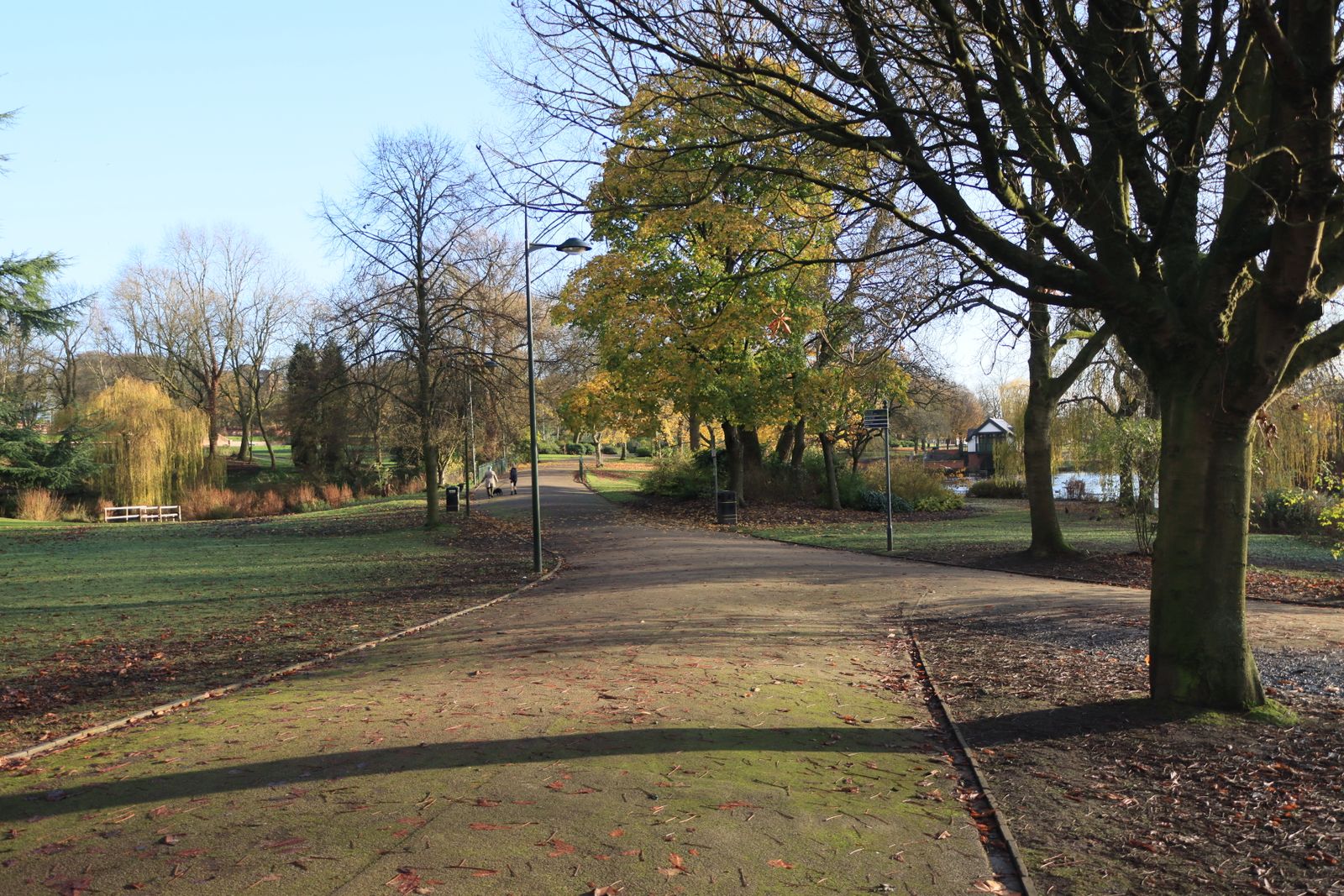
Could you walk part of the way to work, take a break around lunchtime, or get off the bus one stop earlier? A short loop near home or through an Oxford park counts. It does not need to be brisk, tracked or especially scenic to be a useful pause in the day.
If getting outside is difficult, opening the curtains and sitting near a window can make the room feel brighter, though it is not the same as being outdoors. Dress for the weather, choose a route that feels safe, and keep the plan modest enough that you are likely to repeat it.
Think routine, not a quick fix
The NHS suggests getting natural daylight during the day, taking regular exercise and keeping up with usual activities as self-care steps for people experiencing seasonal affective disorder (SAD). That does not mean a walk prevents or treats depression, and many people who notice the darker evenings do not have SAD. It is simply one practical way to maintain a little outdoor time as the season changes.
You might pair the walk with something already in your schedule: a lunch break, collecting a coffee, or calling a friend on the way. A regular wake-up time and a wind-down that works for you can also help the day feel less scattered, without requiring a perfect routine.
Notice how it feels, without grading yourself
After a week or two, ask whether the small plan is manageable. If it feels like another demand, make it shorter, move it to a different time, or let it go. Wellbeing habits should be adaptable to work, caring responsibilities, health and weather.
If low mood, loss of interest, tiredness or changes to sleep are affecting daily life or persist, speak with your GP. A walk can be part of everyday self-care, but it is not a substitute for support or treatment when you need it.
Oxford has plenty of ways to catch a little daylight, from a short stretch through a local green space to a simple walk around the block. Start with the version that fits this week; it can change when your week does.