
- 6th Jul 2026
- 4 min read
The Body After a Long Journey: What Helps, and What Not to Ignore
A practical guide to stiffness after trains, cars and flights, with the warning signs that need medical attention.
The Body After a Long Journey: What Helps, and What Not to Ignore
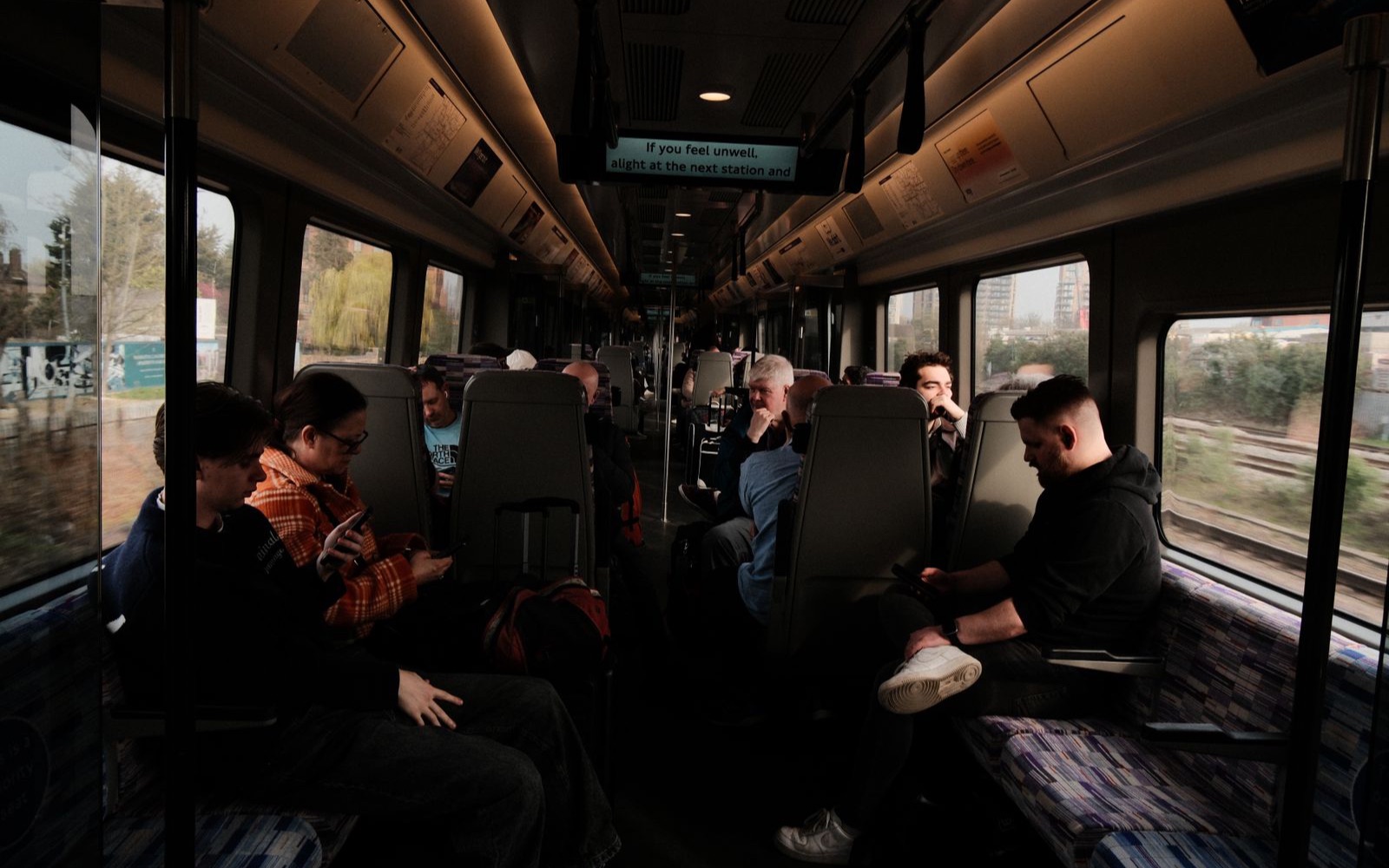
The train may arrive in Oxford on time, but your body can feel as if it is still folded into the seat. Hips are stiff, shoulders are high and one side of the neck has taken responsibility for every bag, book and sleeping position.
Most stiffness after a journey is ordinary and settles once you begin moving normally again. Long periods of sitting reduce the variety of movement your body gets. The answer is usually not one heroic stretch, but a series of small changes before, during and after the trip.
Let the journey contain some movement
If you are able to, stand and walk at intervals on a long train or flight. On a car journey, plan breaks rather than waiting until everyone is uncomfortable. While seated, ankle circles, gentle heel raises and changing position can interrupt a long spell of stillness.
You do not need to perform a conspicuous exercise routine in the aisle. The useful part is changing what your body has been doing.
It may also help to:
- keep important items within easy reach instead of twisting repeatedly
- switch shoulders when carrying a light bag, or use a backpack with both straps
- support your feet if the seat is too high
- avoid putting a wallet or bulky object under one hip
- drink water regularly
If you have a previous blood clot, recent surgery, cancer, limited mobility, are pregnant or have another factor that increases the risk of a clot, ask a healthcare professional for personal travel advice before a long journey.
On arrival, resist the need to “undo” everything
Strong stretching can be appealing when you feel compressed, but forcing range into a cold, irritated area may not feel good. Begin with easy movement: a short walk, a warm shower, gentle shoulder circles or simply unpacking in stages.
Notice whether the sensation changes as you move. General stiffness that eases is different from severe pain, increasing swelling or symptoms that make you feel unwell.
Massage or osteopathy may help some people feel more comfortable after travel, particularly when a familiar area remains tense or movement feels restricted. A practitioner should still ask what happened, screen for anything that needs medical care and adapt treatment to your comfort.
Know the signs of a possible blood clot
A deep vein thrombosis (DVT) is not the same as ordinary post-travel stiffness. It needs urgent medical assessment.
Seek urgent medical advice if you develop throbbing pain or swelling, usually in one leg, especially if the skin is warm, red or darker than usual. Call 999 or go to A&E if leg symptoms occur with breathlessness or chest pain, as these can be signs of a clot that has travelled to the lungs.
Do not massage a painful, swollen calf or book bodywork in the hope that it will loosen. Get medical advice first.
Give your body a landing period
Travel is tiring even when little appears to happen. You have carried bags, managed timings, stayed in one position and processed a stream of noise and decisions. A quiet hour, water, a simple meal and a walk may be more useful than packing the first day with another list.
If ordinary stiffness is not settling, or a recurring neck, back or shoulder issue is getting in the way of travel, you are welcome to contact us about osteopathy or massage. We can talk through what has been happening and whether an appointment is appropriate.